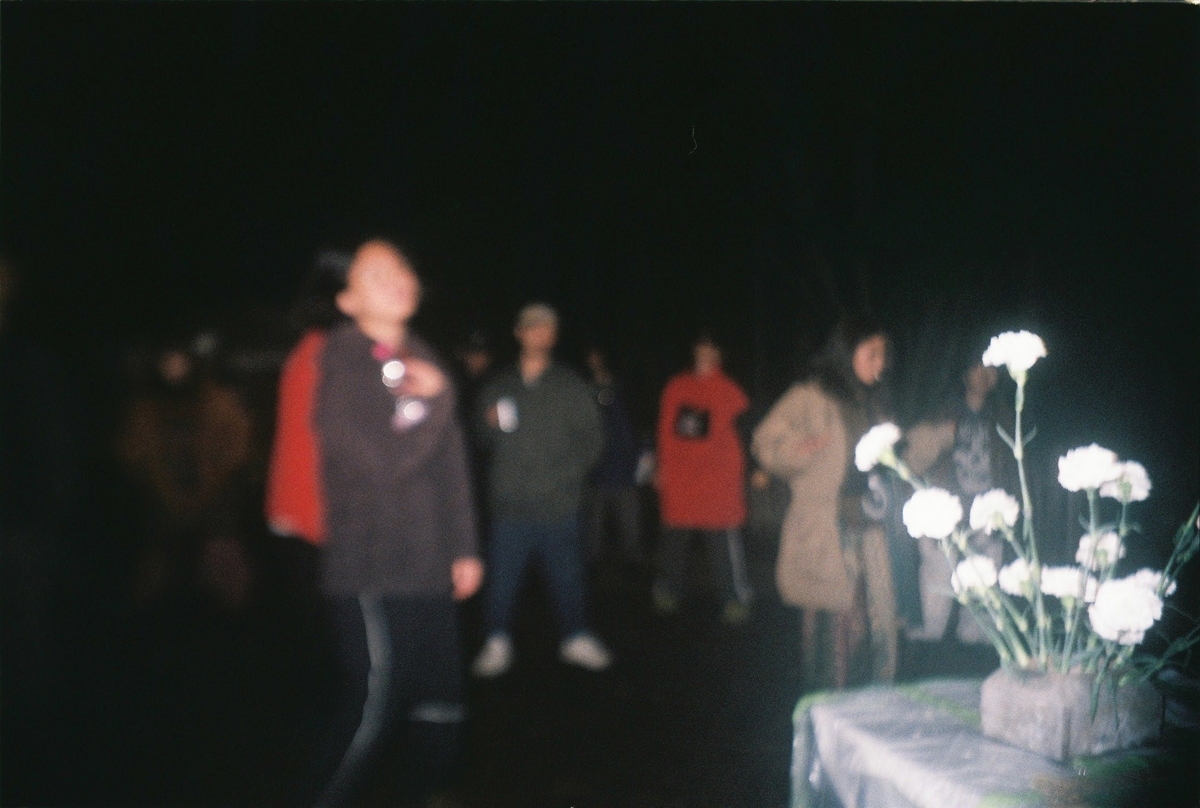
友人のバンドのライブを見に訪れた高円寺にあるTKA4は、奇妙で魅力的な空間だった。友人いわくTKA4のある都営住宅は、取り壊しが決まっていたらしいが、猫を多頭飼いしている住人が立ち退きを拒否したため、今も残っているという。
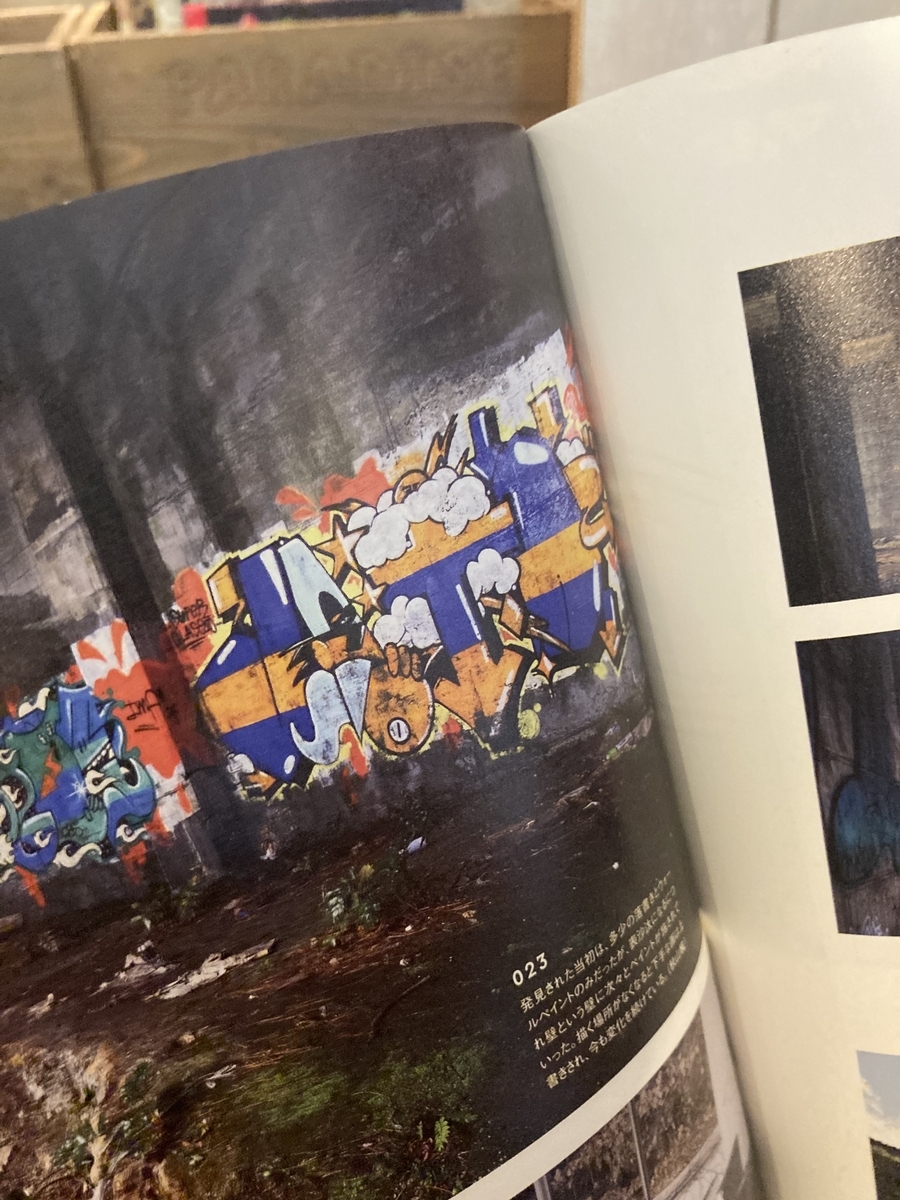
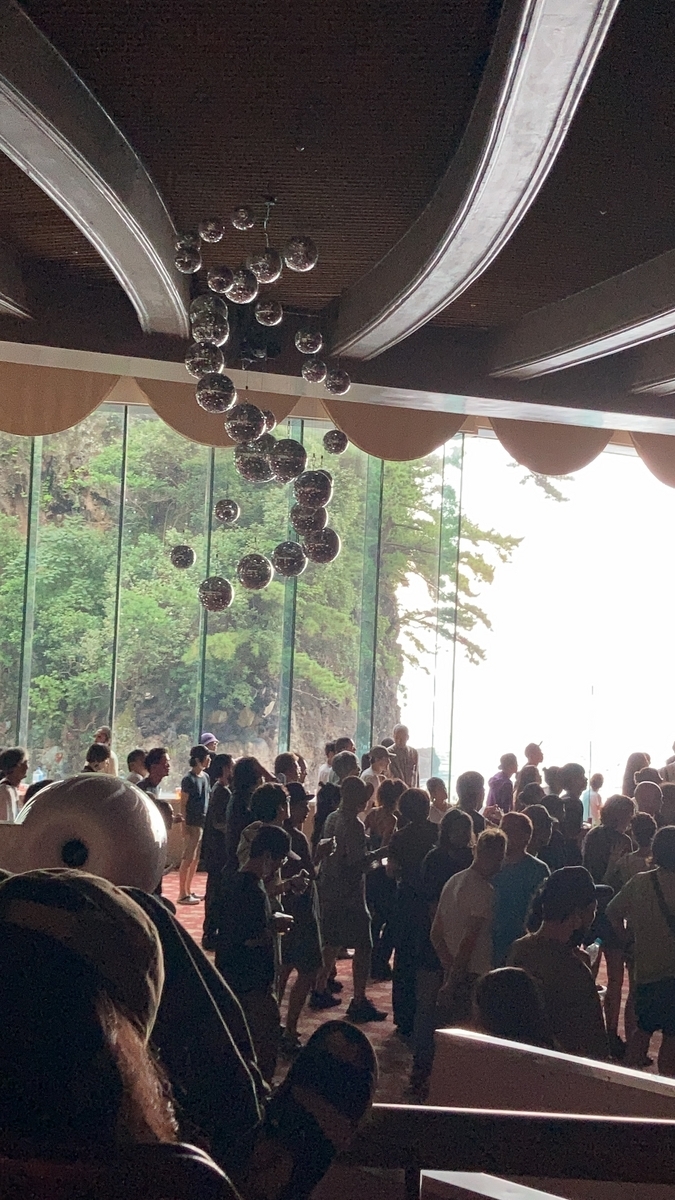
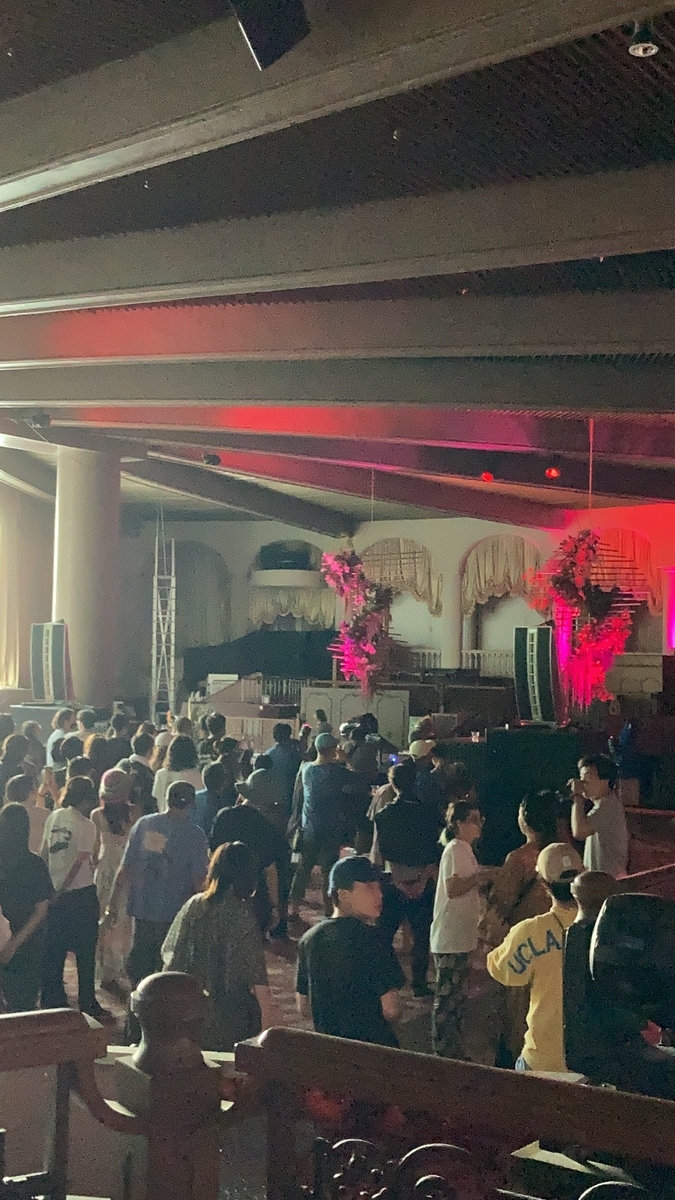
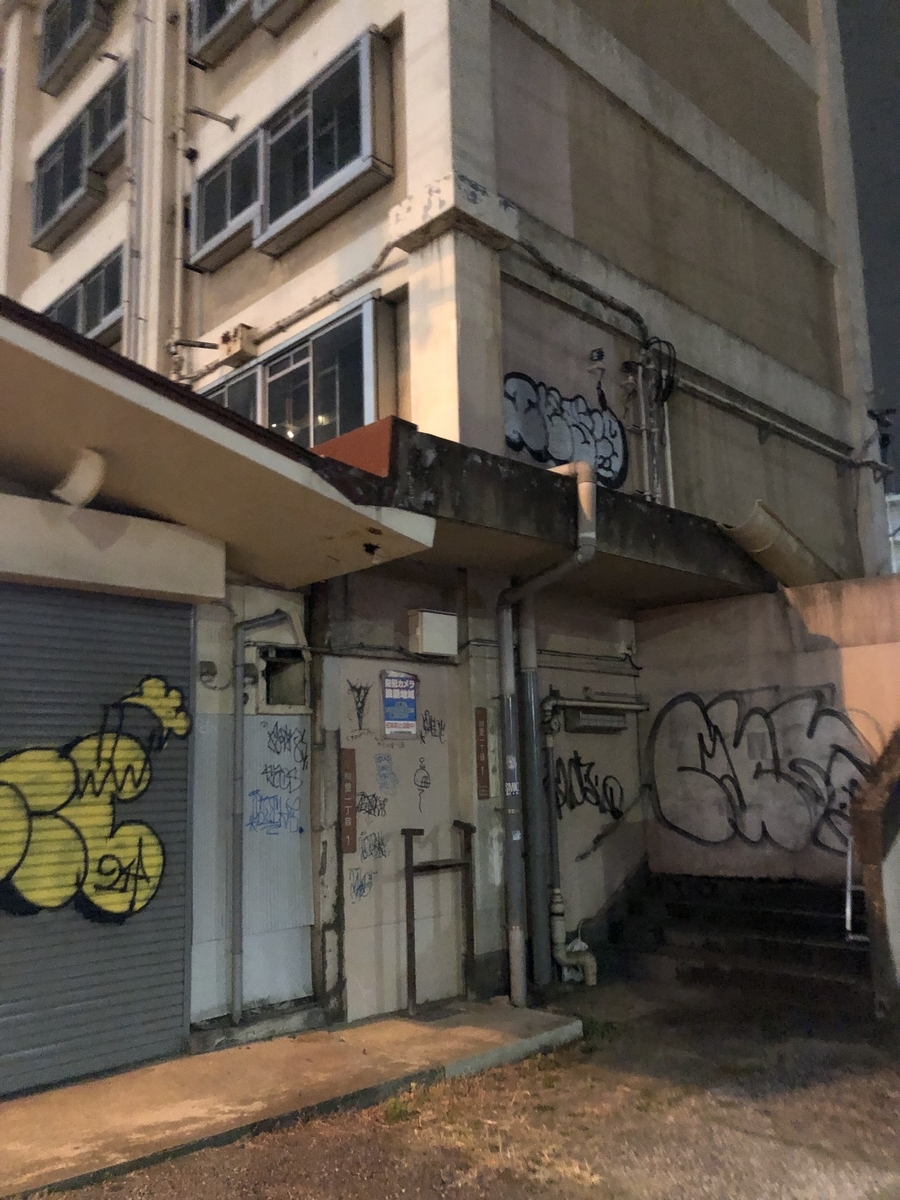
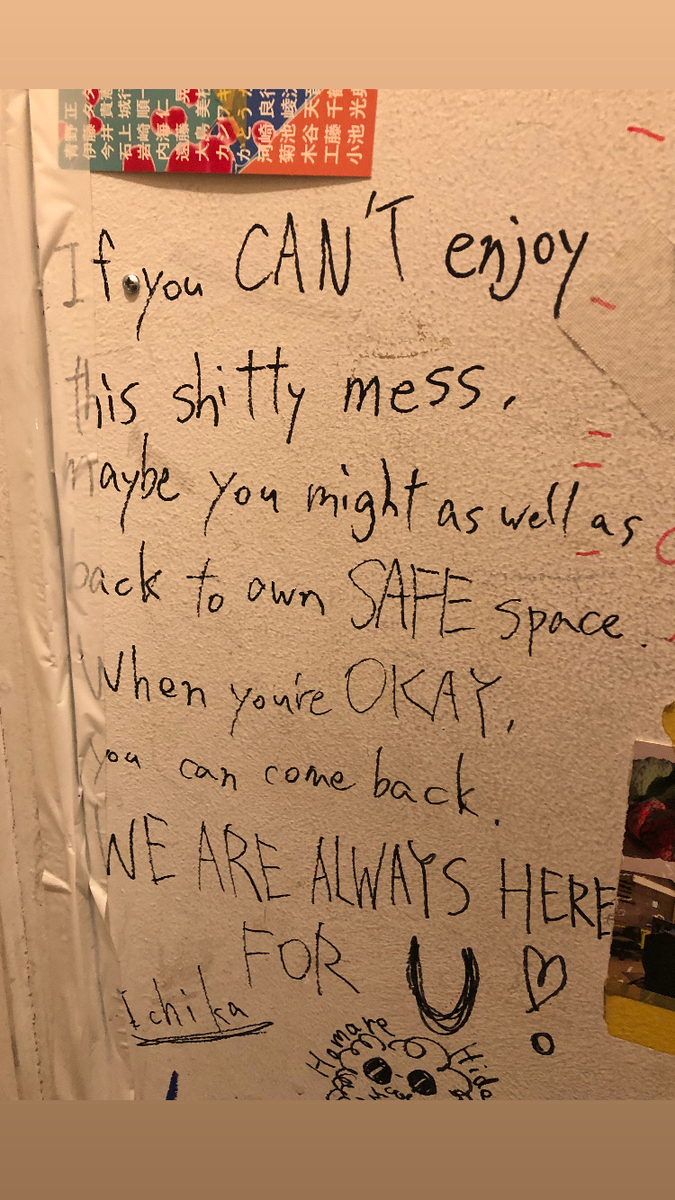
会場に向かうまでの道のりで、都営住宅の壁やシャッターに描かれたグラフィティーがいくつも目に入る。一階にある入り口の引き戸を開けると、思ったより人が入っていて、反戦と背中に書かれた鋲ジャケット、赤チェックのパンツ、ユニオンジャックのノースリーブシャツ、思い思いの服や布を皆身にまとっている。日本の人以外にも欧米圏から来たと思われる人たちがいて、英語の会話が時折耳に入ってくる。どんな人がいても違和感のない空間に、少しほっとする。
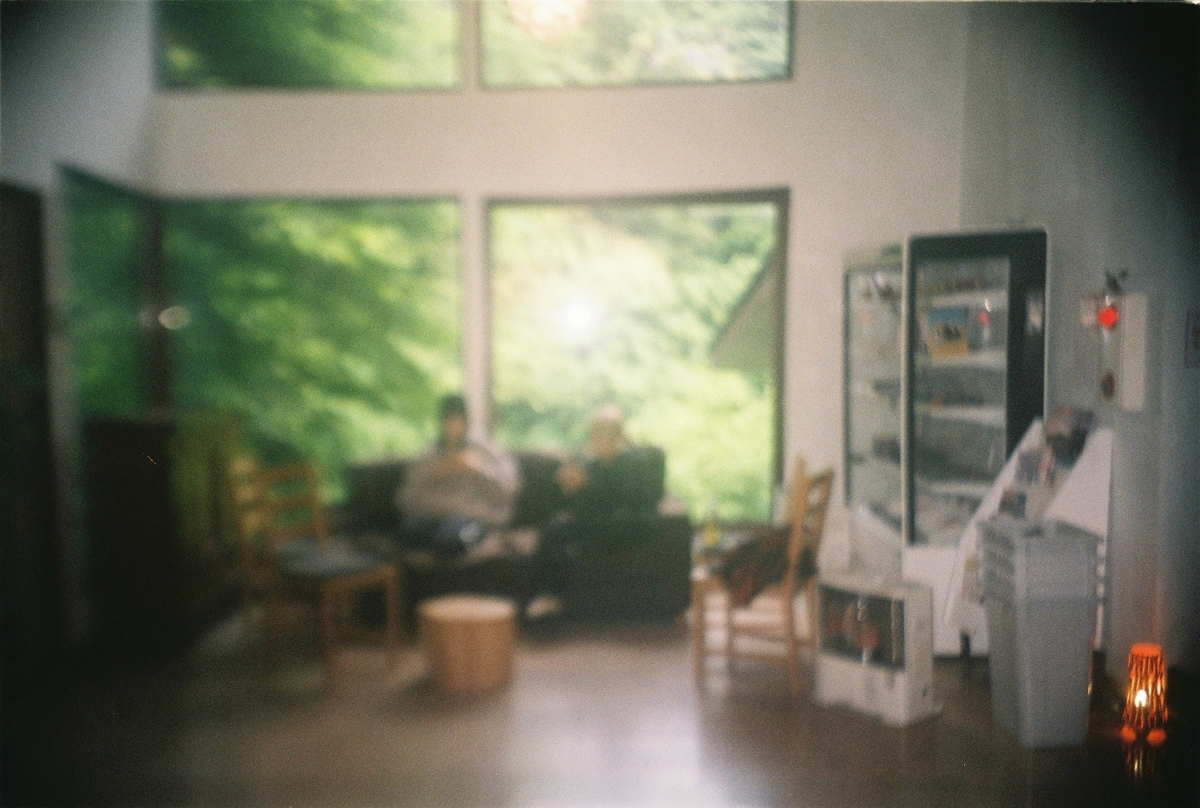
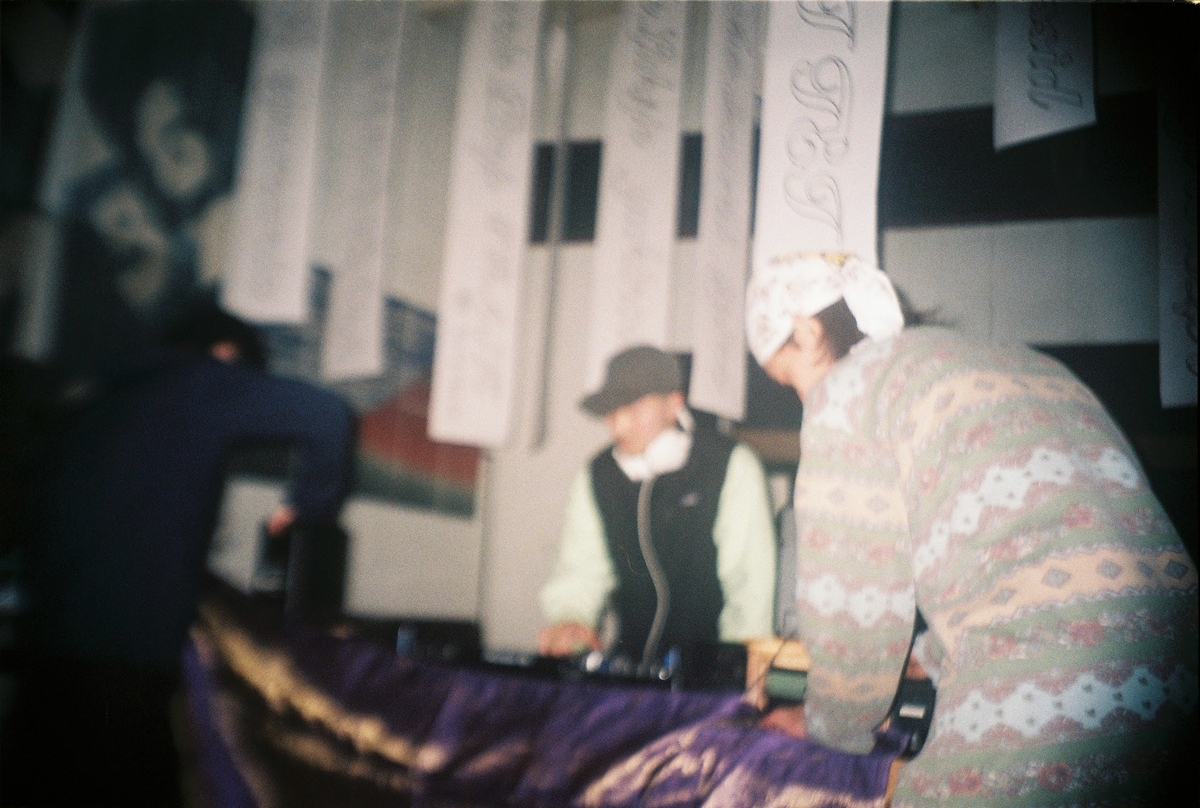
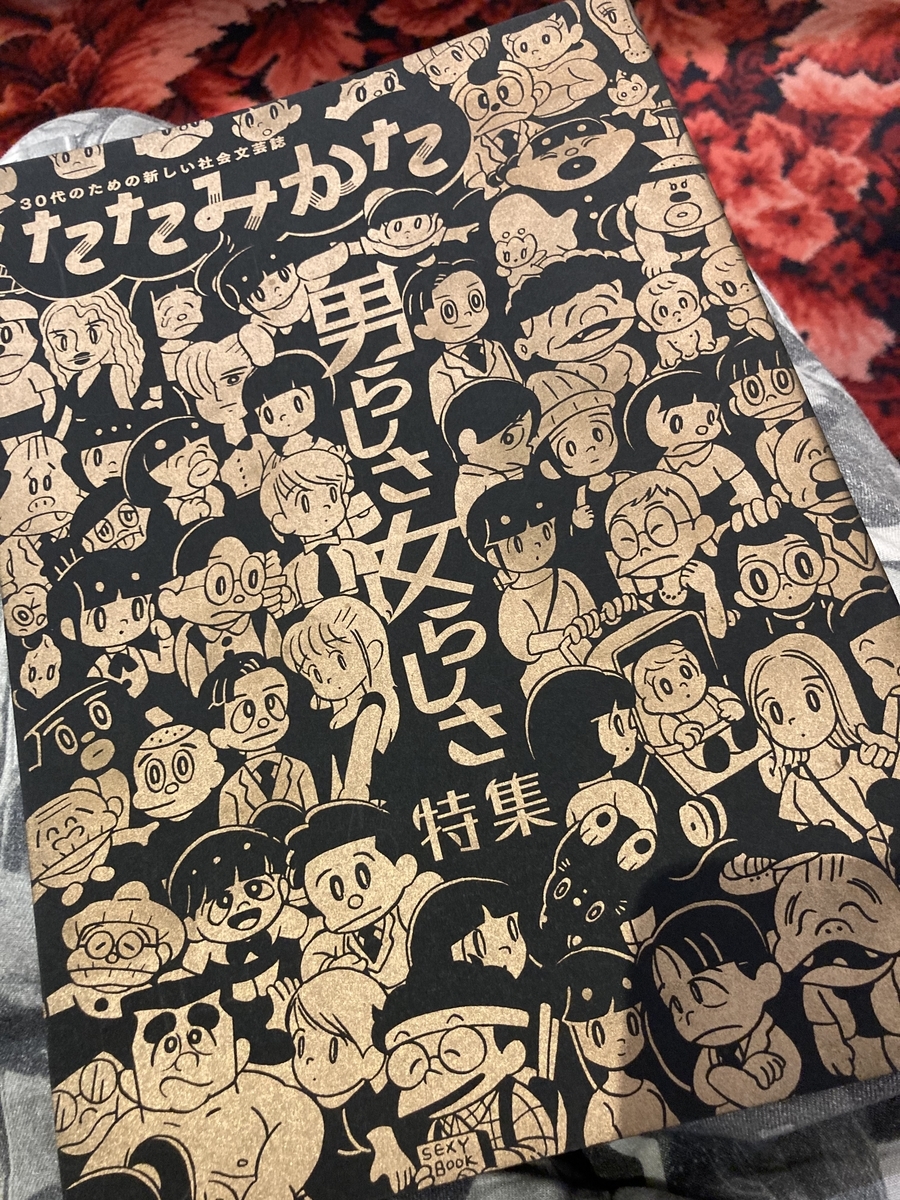
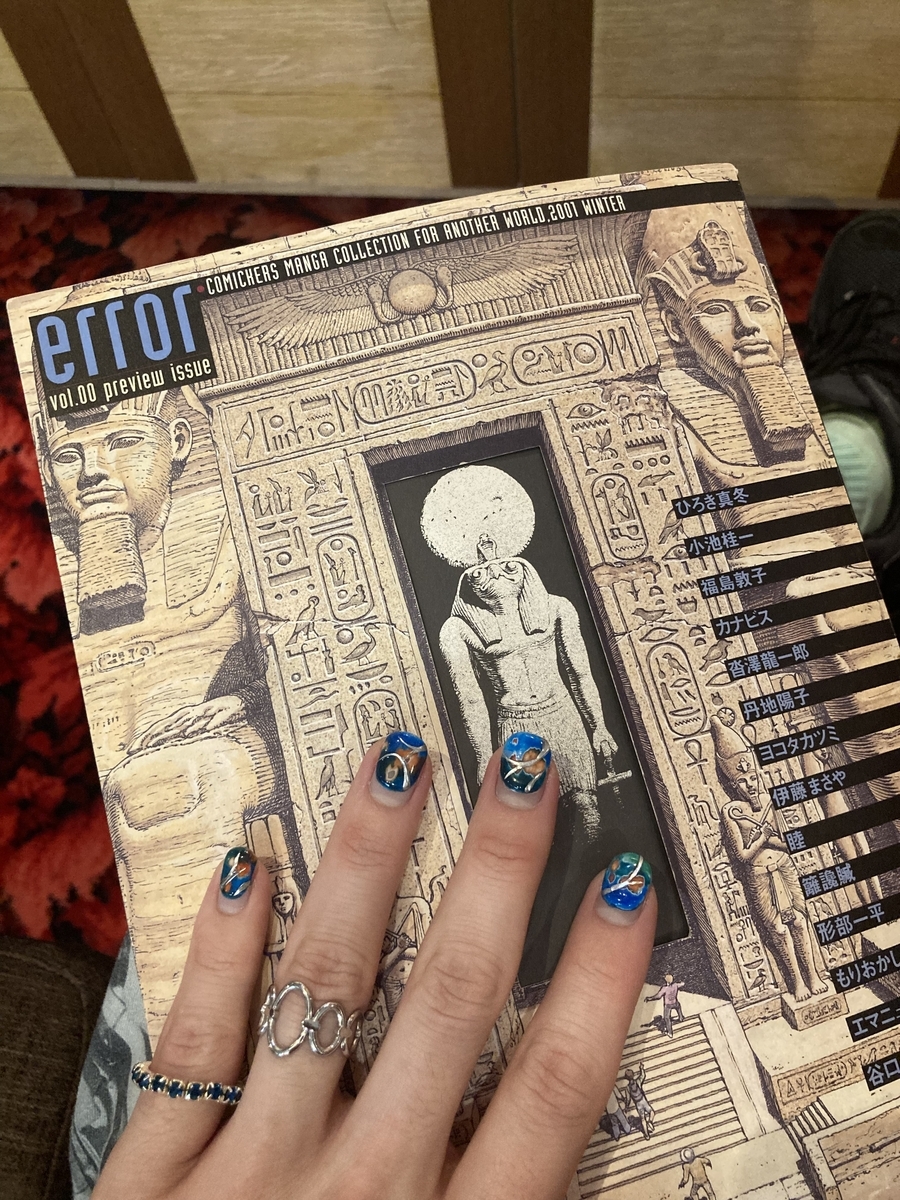
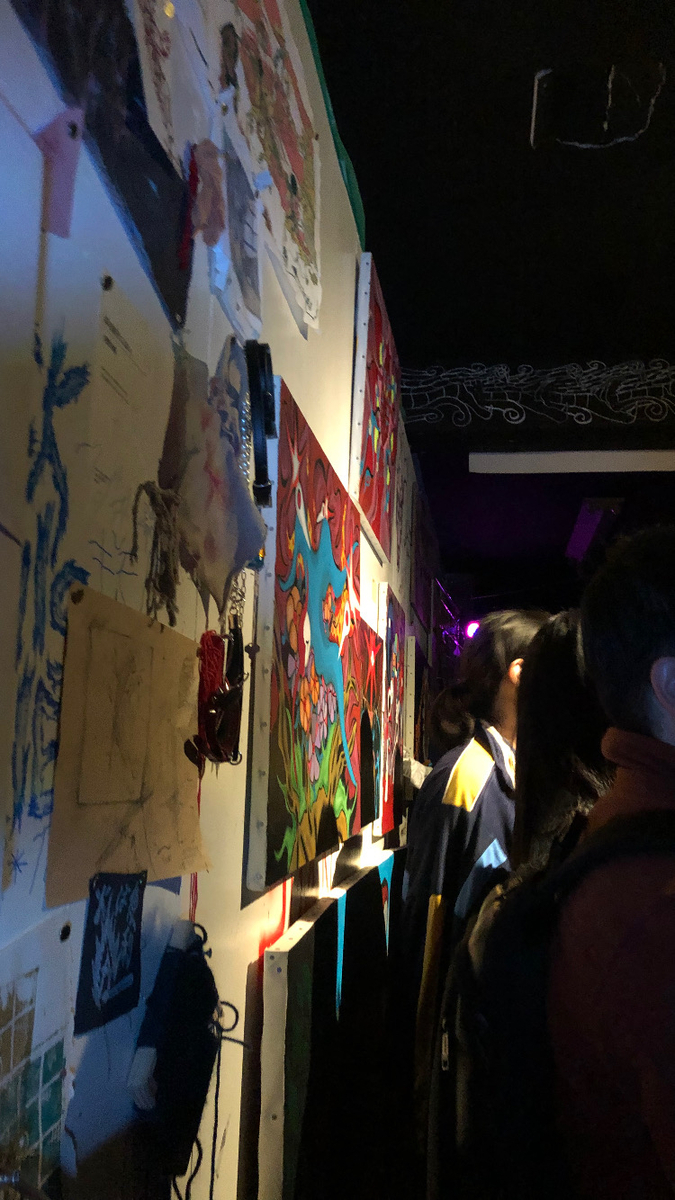
折れたスティックやひしゃげた紙コップが落ちたフロアに、アンプやドラムセットが置かれ、壁には絵やzineがかけられていて、奥へ行くと『聖お兄さん』や村上春樹の小説が机の上に雑然と広がっている。高円寺再開発反対ライター(300円)が片隅で光を放っていた。
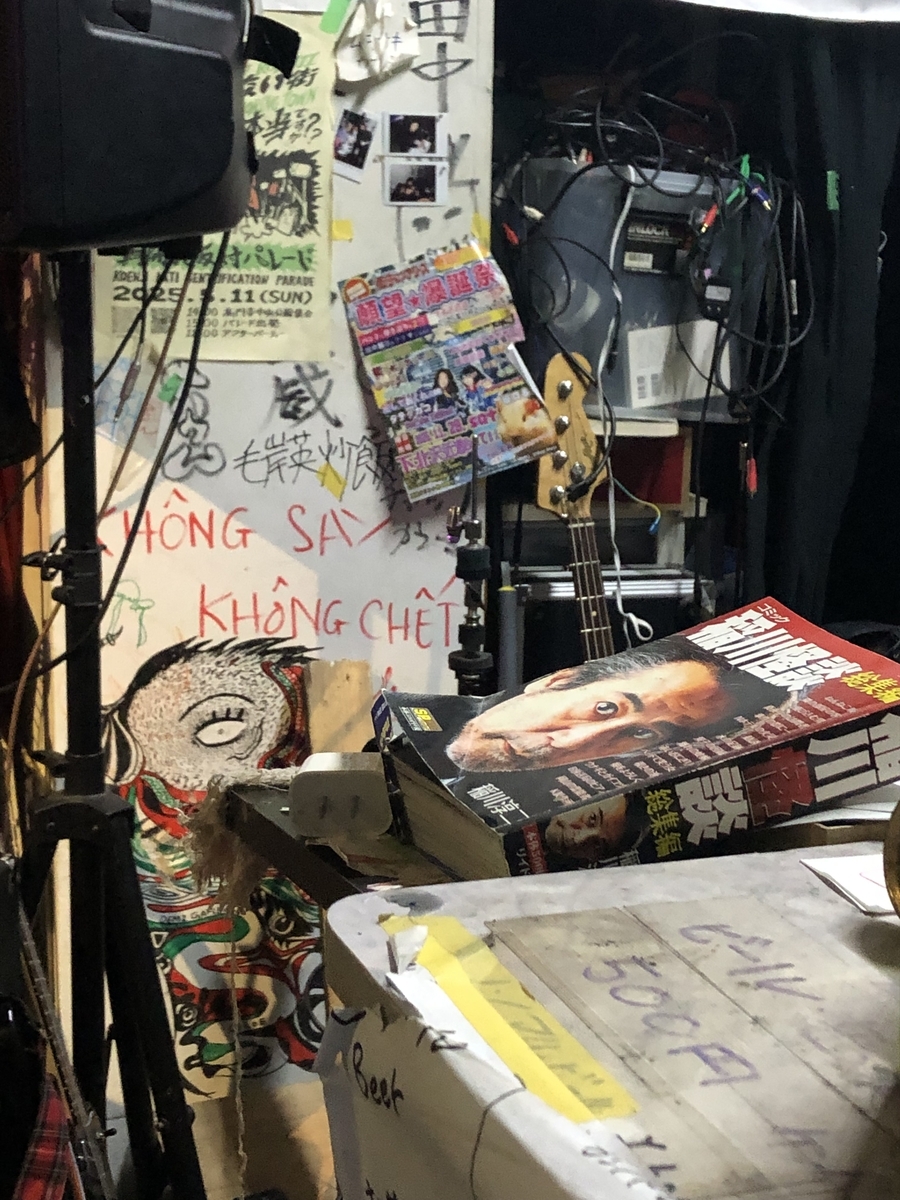
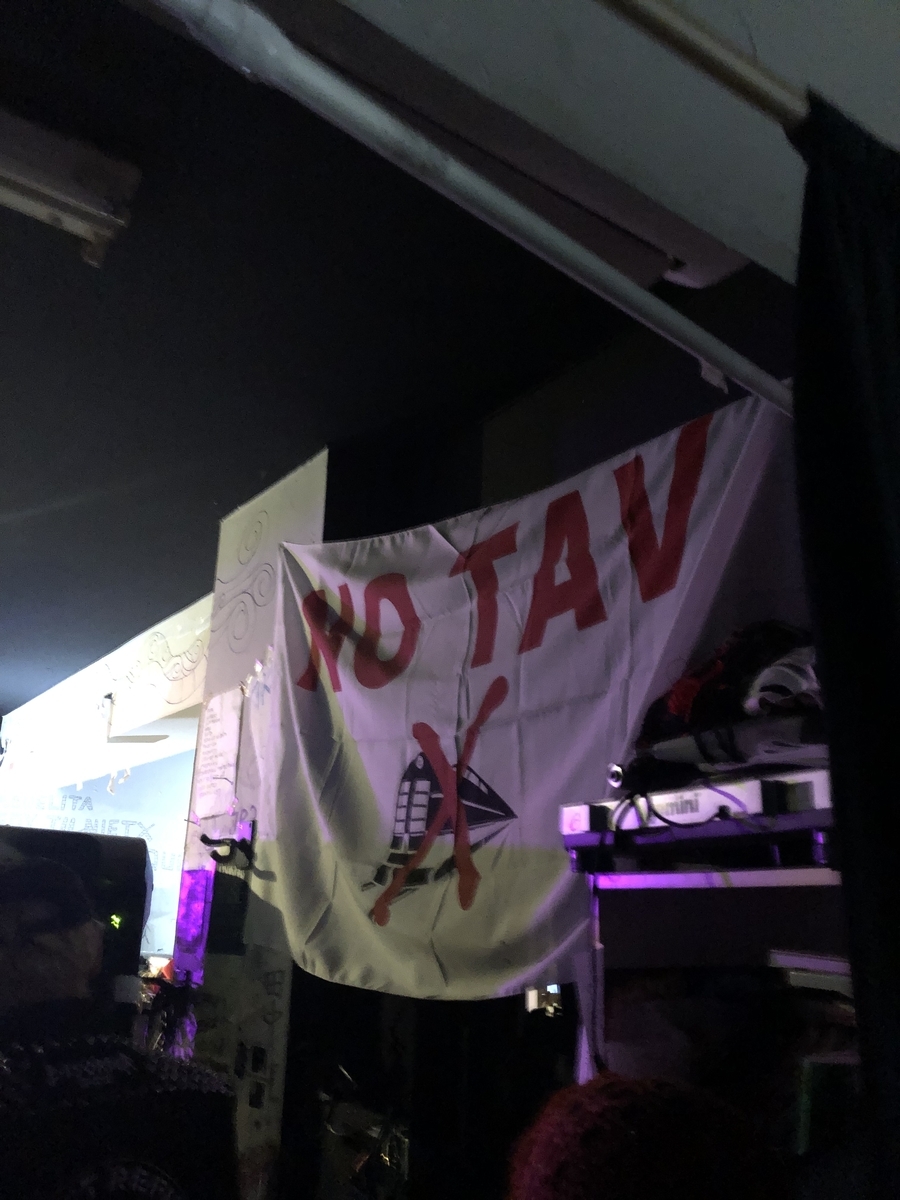
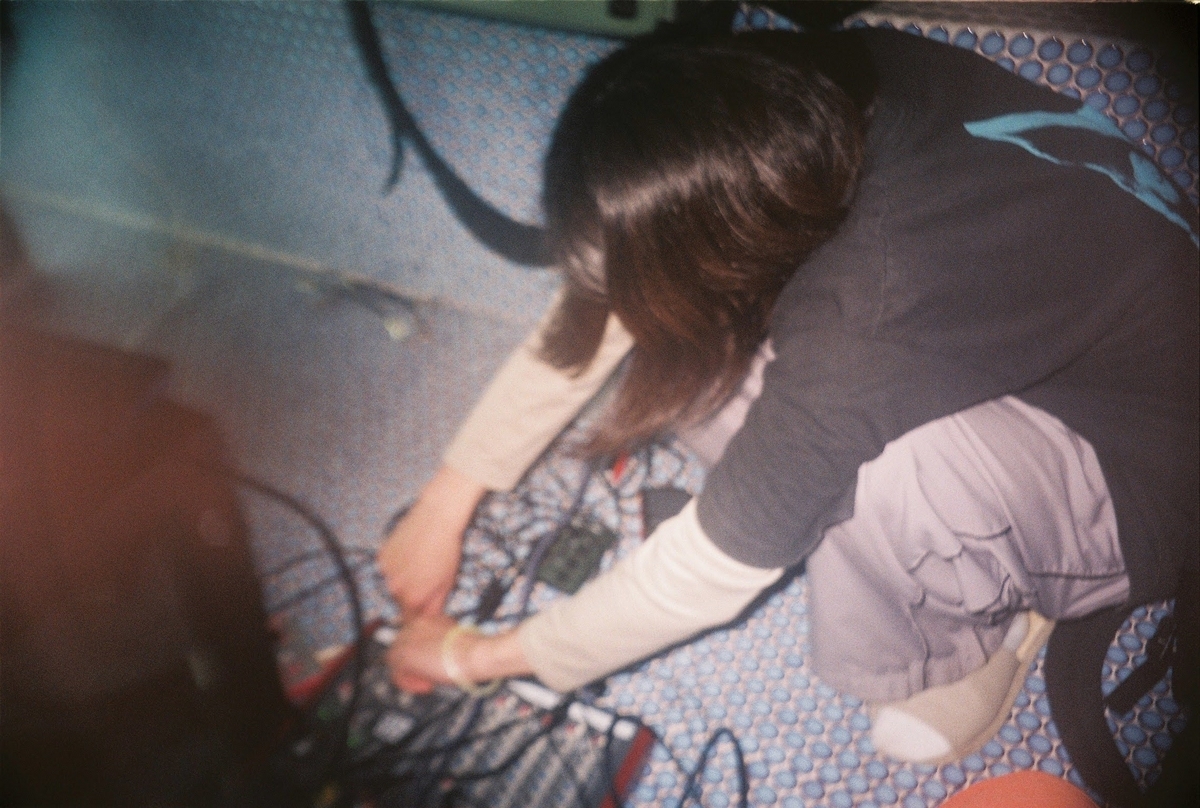
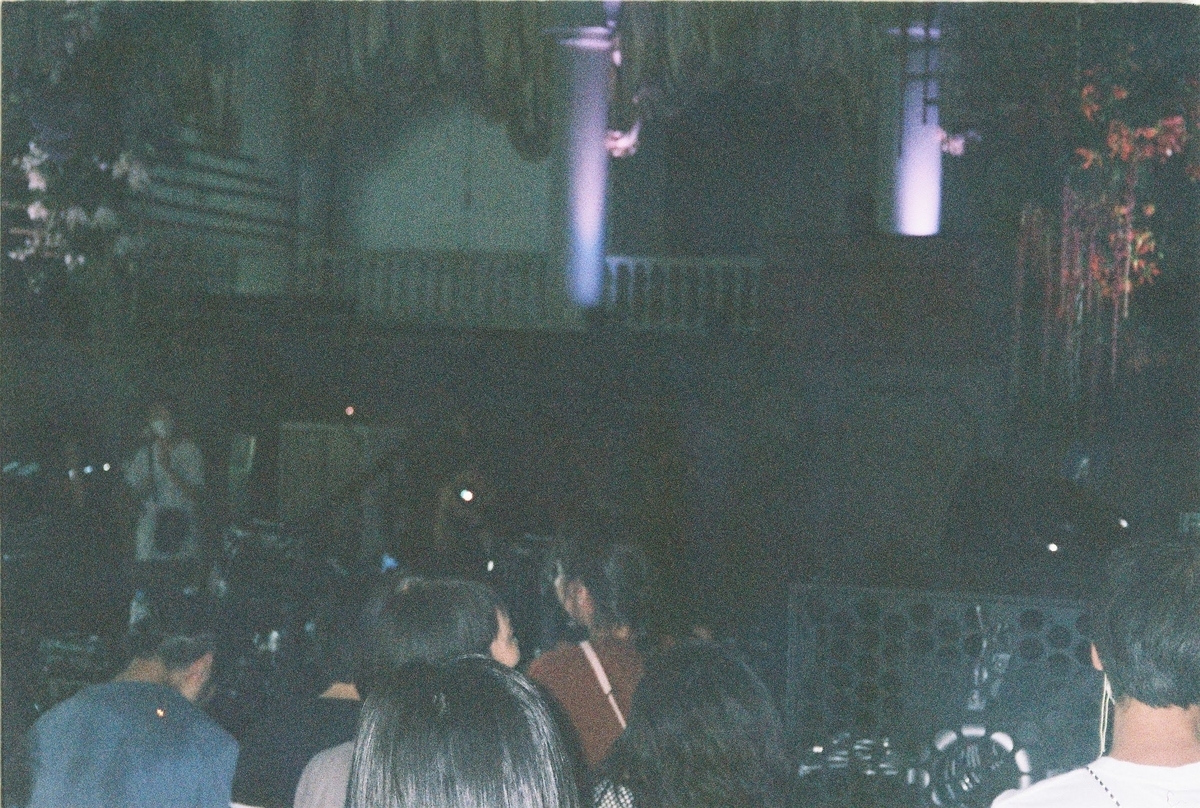
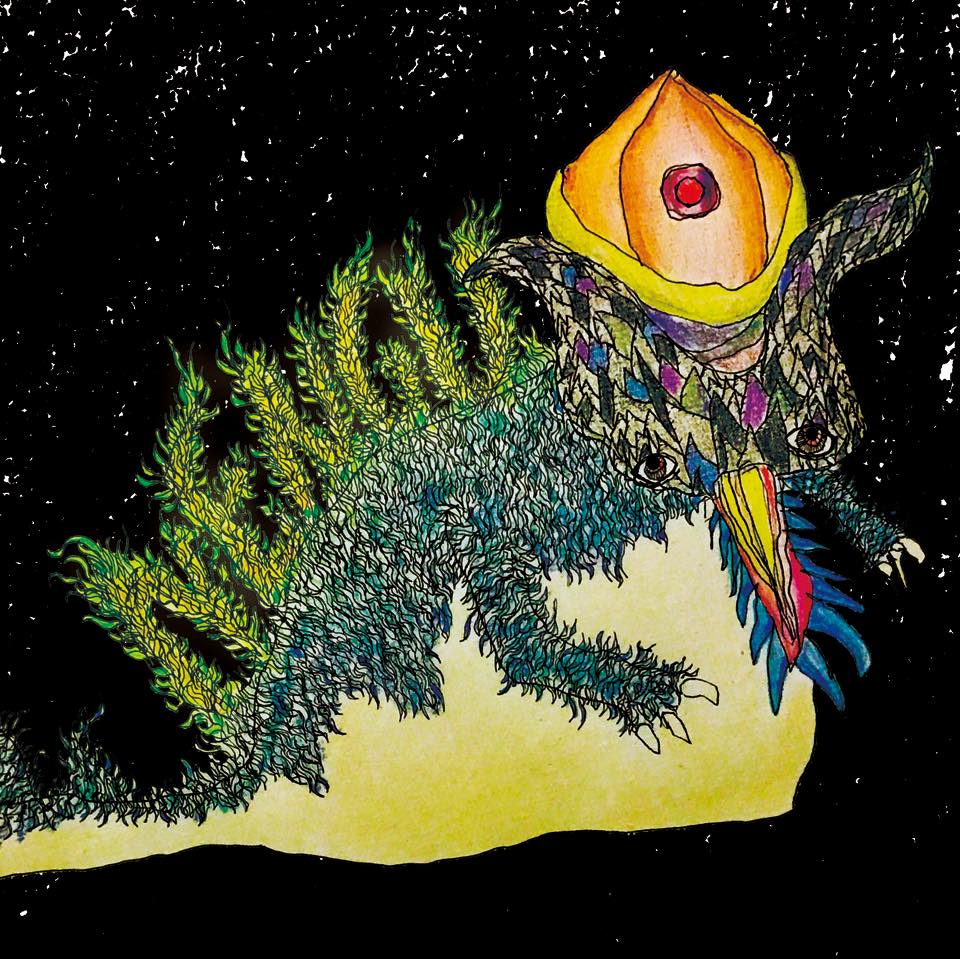
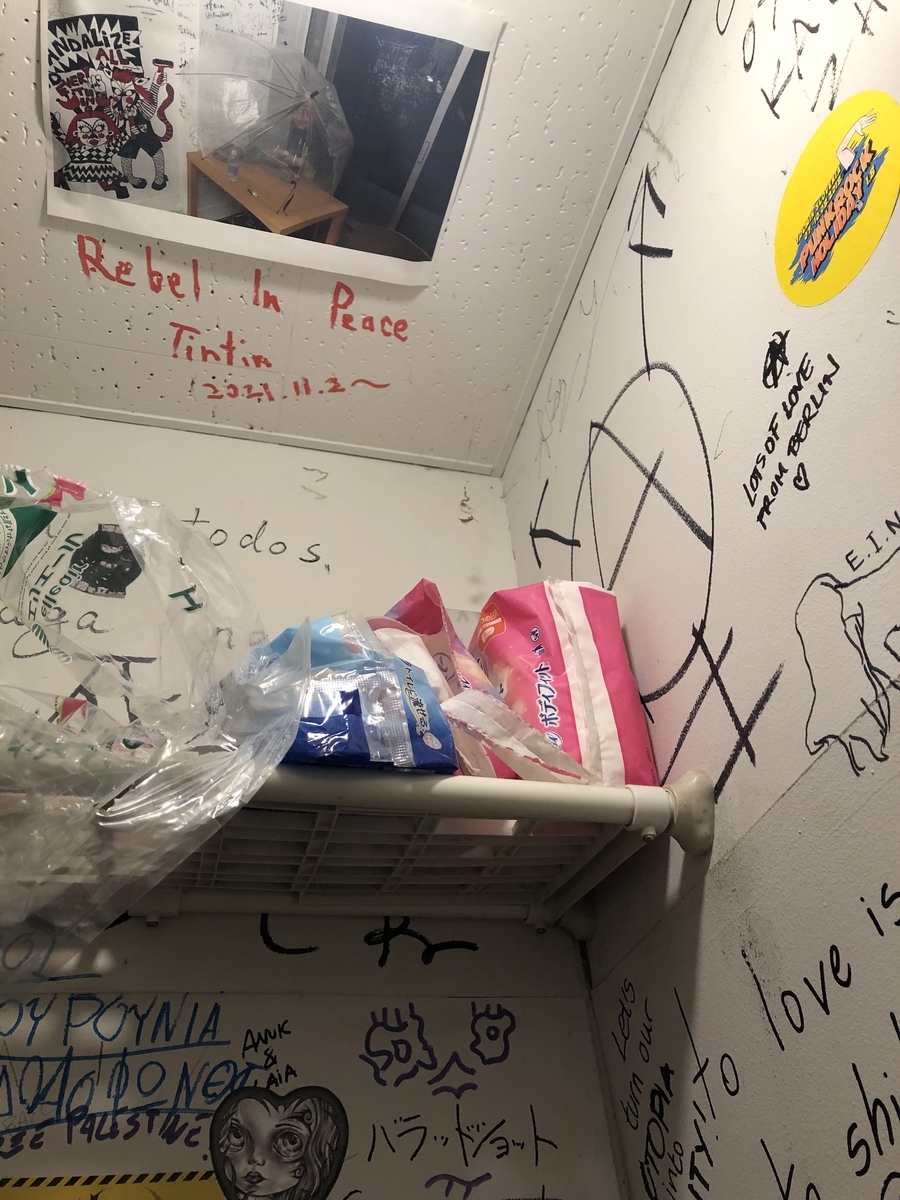
バンドのセッティング中、ドラムセットの横にあるミキサーで演者自らがマイクのイコライジングや音量を調整している。稲川淳二の漫画が放り投げられているバーカウンターで購入した500円の缶緑茶ハイを飲みながら、NO TAVのフラッグ、壁に描かれた龍の絵や反戦、FREE PALESTINEの文字、床に落ちた携帯灰皿などを眺めていた。見ているだけで退屈しなかった。
TAVってなんだろうと思い、調べてみると、イタリアの高速鉄道計画に反対する運動のことで、こういう場所とゆるやかにつながっているのだとわかった。
友人がやっている吉日は、ギターとドラムの2ピースバンドでそれぞれが曲ごとに歌い、時にギターの音の上で詩を朗読する。
サウンドチェック中に流れた歪んだギターの音はとても心地が良かった。オクターバーを噛ませることでベースのルート音を同時に鳴らしていて、厚みと抱擁感のある音がフロアを伝い、体に響いた。緩やかなビートの上にオートチューンをかけた声を乗せるスタイルは、他の性急なパンクバンドとアプローチが異なり、緩急を生み出していた。
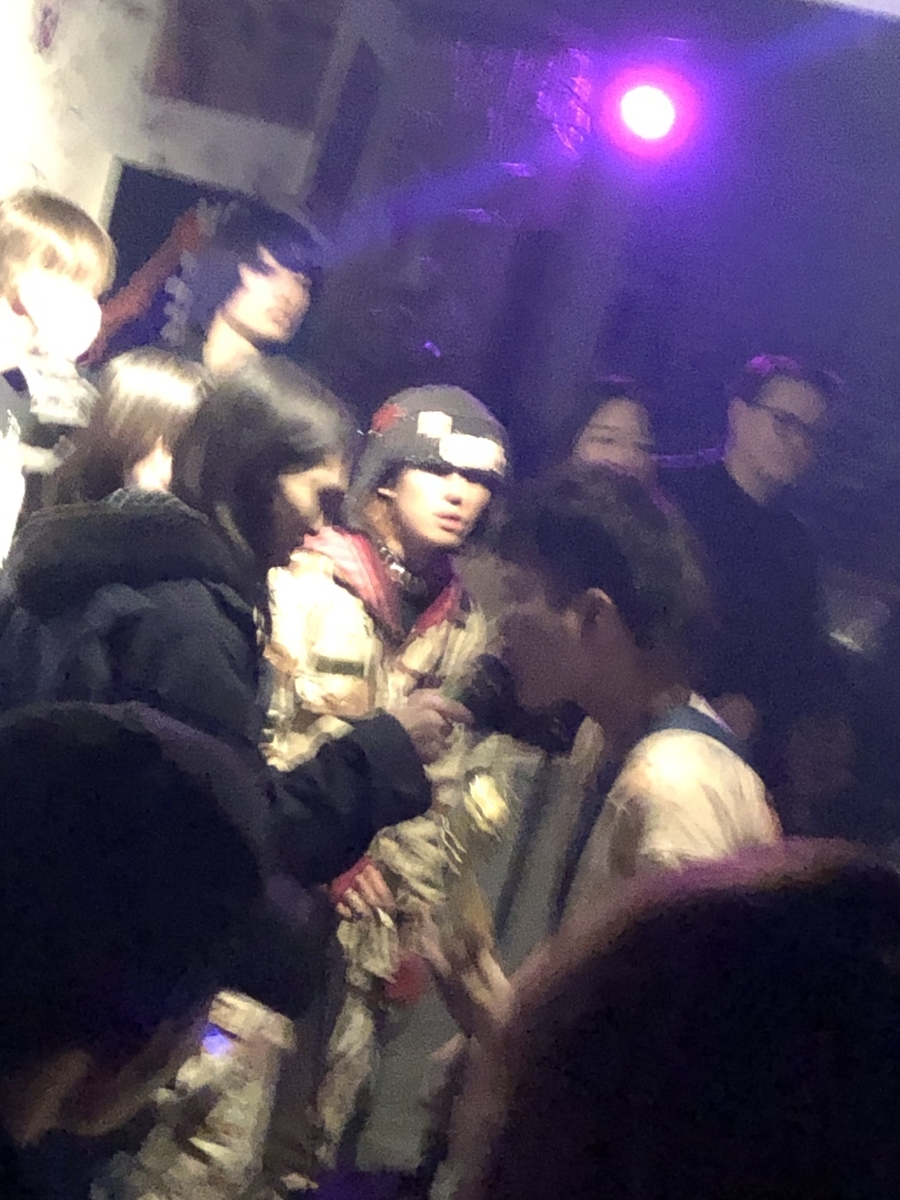
とてもムカつくことがあって、みんなあんまり知らないかもしれないんだけど、在日米軍の海兵隊部隊がイランへ派遣されている。
殺すなというバンドのボーカルがそう話すと、ギターをかき鳴らし咆哮した。わたしと同じ方向を向いている人たちがここに集まっているのだと背中を押してもらえたような気持ちになった。
会場の裏口へ回る扉を開けると、フェンスの手前にバラバラのサイズの椅子が無造作に並べられていて、人々がタバコを吸いながら談笑している。フェンスの向こうには人気のない公園が見える。座った椅子の横の机には氷の入った袋が放置されている。
友人らと話していると、出番を終え、額から赤い液体を流した女性が隣に座り、友人が「流血してる!」と指摘すると、彼女は「これ血糊なんですよー、百均で買ったやつ」と笑っていた。
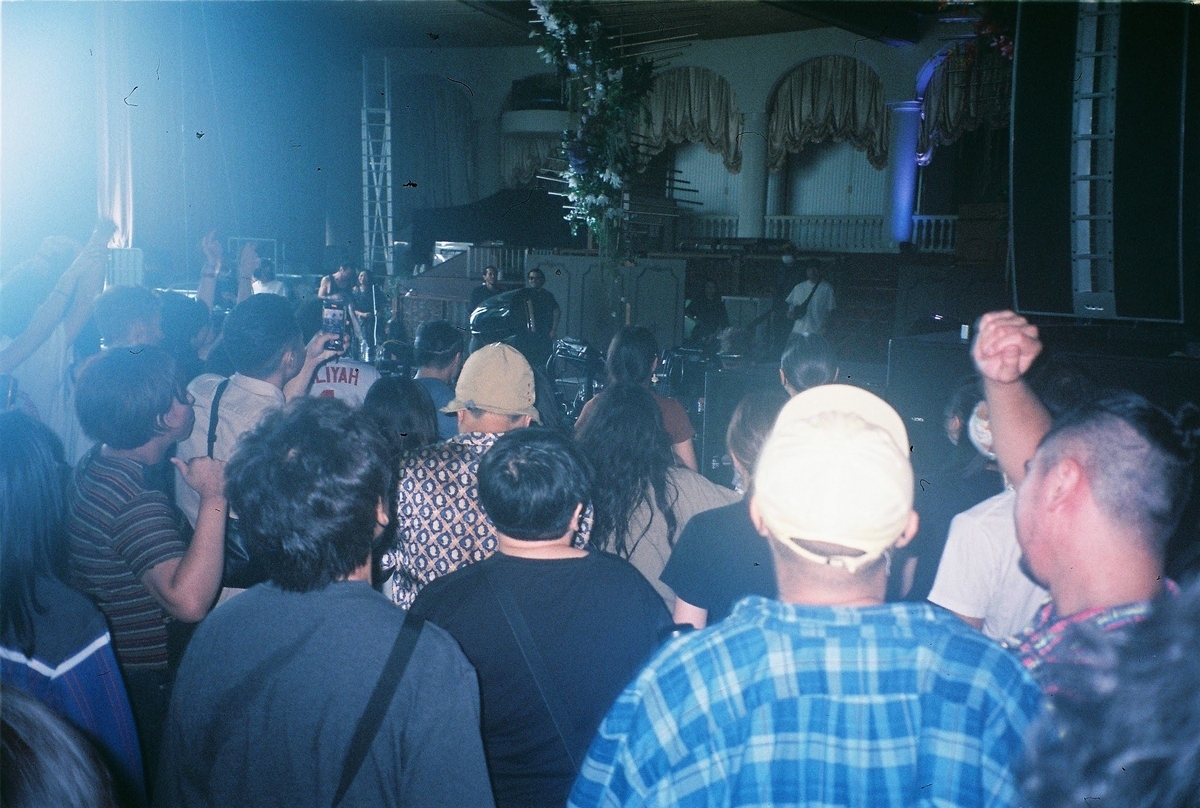
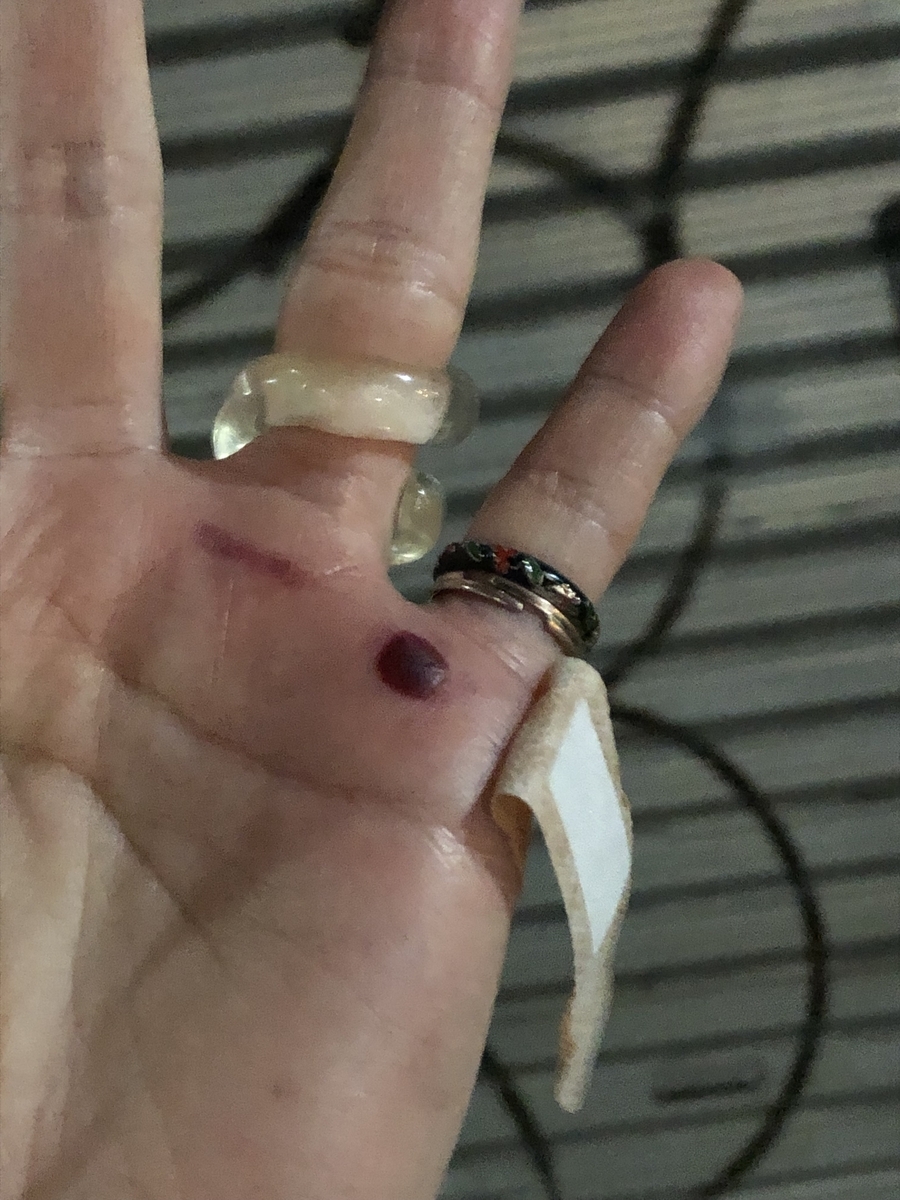
すべてのアクトが終わり、休む間もなく誰でも飛び入り参加OKのガチンコタイムが始まった。マイクのハウリングが終始鳴り響く中、人々が目まぐるしく入れ替わり叫び、弦を弾き、ドラムをぶっ叩く。勇気を出してわたしもドラムを叩いてみた。ブランクがありすぎて思ったように体が動かないながらも、音を出す心地よさを思い出した。初めて会う人たちと視線を交わしながら、ガチャガチャと音を出す時間は煌めいていた。久しく忘れていたその感覚に立ち返って、これをやった方がいいと思えた。3年ぶりに叩いたせいか、左手に血豆ができていてなんだか嬉しくなった。
人も空間も混沌としていながら、TKA4は居心地がよかった。いつかは取り壊されてしまうかもしれないここで何かできたら面白そうだと思った。
TKA4のような、誰かとなにかを共有する空間があることの大事さを改めて考えた。この精神を、どこかで誰かに手渡せたらいいなと思った。
.............english ver
TKA4 in Koenji, which I visited to see a friend’s band perform, was a strange yet captivating space. According to my friend, the public housing where TKA4 is located had been slated for demolition, but because one resident—who lives with many cats—refused to move out, it still remains.
On the way to the venue, I noticed numerous pieces of graffiti covering the walls and shutters of the public housing. When I slid open the entrance door on the ground floor, there were more people inside than I had expected—studded jackets with “anti-war” written on the back, red checkered pants, sleeveless Union Jack shirts—everyone dressed in their own chosen styles and fabrics. There were also people who seemed to be from Europe and North America, not just Japan, and I occasionally heard conversations in English. In this space, where no one seemed out of place, I felt a quiet sense of relief.
On the floor, scattered with broken drumsticks and crushed paper cups, sat amps and a drum set. Paintings and zines hung on the walls, and further inside, a comic, Saint Young Men and novels by Haruki Murakami lay strewn across a desk. In one corner, a lighter reading “Oppose the Koenji Redevelopment” (300 yen) glowed faintly.
While the band was setting up, the performers adjusted the microphone EQ and volume themselves using a mixer next to the drum set. As I sipped a 500-yen canned green tea highball from the bar counter—where a comic by Junji Inagawa had been left lying around—I took in my surroundings: a NO TAV flag, a dragon painted on the wall, the words “anti-war” and “FREE PALESTINE,” and a silver portable ashtray on the floor. Simply observing it all was enough to keep me from getting bored.
I wondered what “TAV” meant, so I looked it up and learned that it refers to a movement opposing a high-speed rail project in Italy. It made me realize that places like this are loosely connected to such movements.
Kichijitsu, the band my friends play in, is a two-piece consisting of guitar and drums. Each member takes turns singing depending on the song, and at times they recite poetry over the guitar.
The distorted guitar sound during the soundcheck felt incredibly satisfying. By running it through an octave pedal, it simultaneously produced bass root notes, creating a thick, enveloping sound that spread across the floor and resonated through my body. Their style—layering auto-tuned vocals over a gentle beat—contrasted with the more aggressive punk bands, creating a dynamic shift in the atmosphere.
“There’s something really infuriating going on—maybe not many people know this, but U.S. Marine units stationed in Japan are being dispatched to Iran.”
After saying this, the vocalist of the band “Don’t Kill” strummed his guitar and roared. I felt as if I were being reassured that people who saw the world the same way I did had gathered here.
When I opened the door to the back entrance, I found chairs of various sizes casually lined up along a fence, with people chatting as they smoked cigarettes. Beyond the fence, I could see an empty park. On a table next to where I sat, a bag of ice had been left behind.
As I talked with my friends, a woman who had just finished her set sat down beside us, red liquid streaming from her forehead. When my friend pointed it out—“You’re bleeding!”—she laughed and said, “It’s fake blood—I bought it at a 100-yen shop.”
After all the acts had finished, a no-holds-barred open jam session began without pause, where anyone could jump in. Amid constant microphone feedback, people quickly switched places—shouting, strumming strings, and pounding on the drums. I gathered my courage and tried playing the drums myself. Though my body didn’t move the way I wanted after such a long break, I was reminded of how good it feels to make sound. Locking eyes with people I had just met, the time we spent creating chaotic noise together seemed to sparkle. Returning to that long-forgotten feeling, I thought, “This is something I should be doing.” Perhaps because it had been three years since I last played, a blood blister had formed on my left hand—and somehow, that made me happy.
Even though both the people and the space were chaotic, TKA4 felt comfortable. I found myself thinking it would be interesting to do something in this place, which might eventually be torn down.
It made me reflect once again on the importance of having spaces like TKA4, where people can share something with one another. I hope I can pass on this spirit to someone, somewhere.